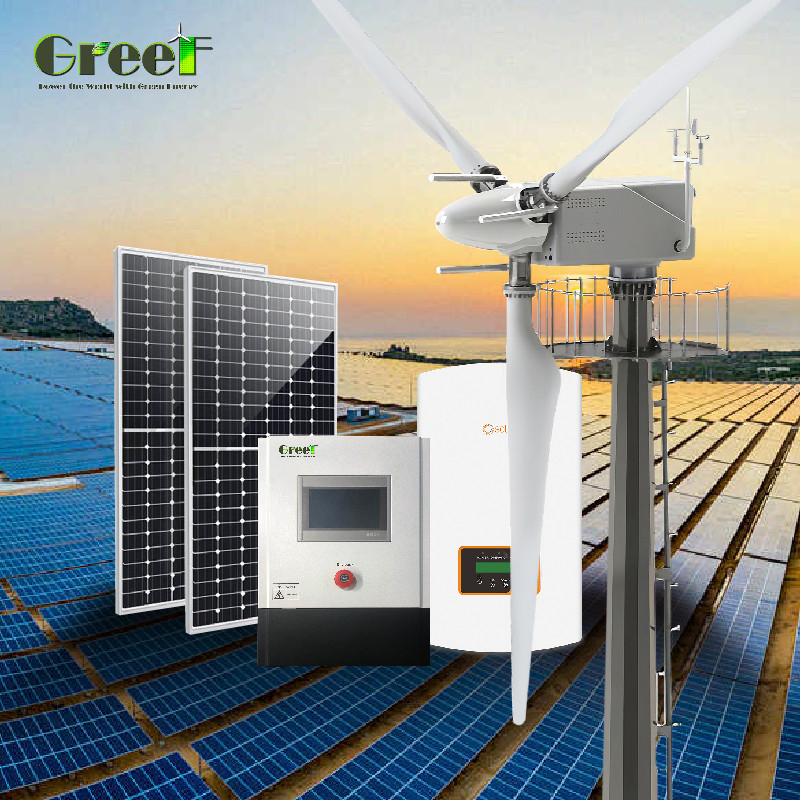
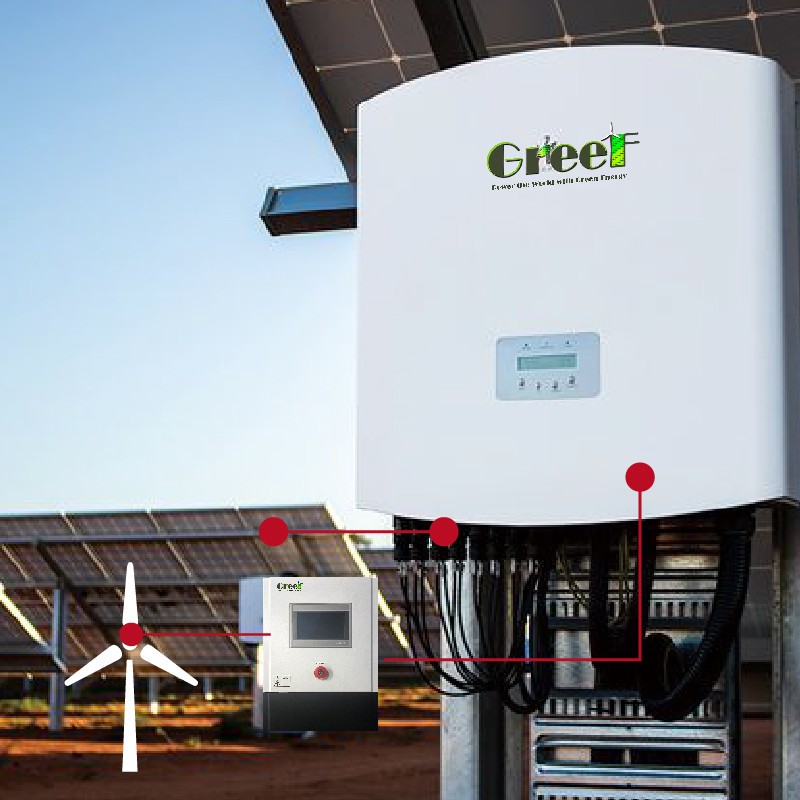
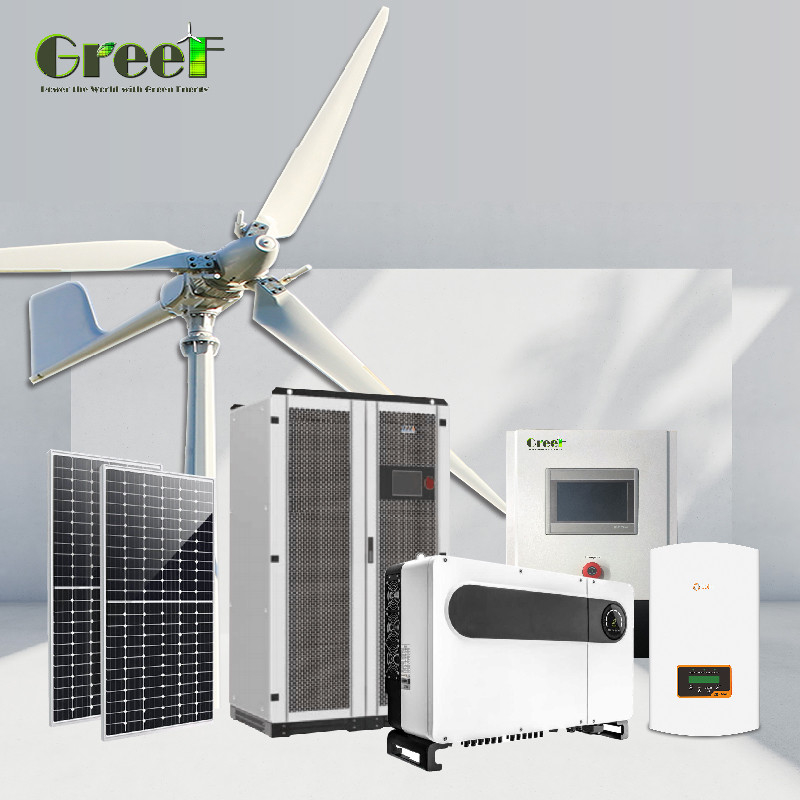
전력망에 연결된 시스템은 에너지 변환 및 저장 시스템이다. 풍력 터빈과 태양광 패널은 각각 풍력과 태양 에너지를 캡처하고 DC 전력으로 변환합니다.인버터는 전력 요건을 충족시키기 위해 DC 전력을 AC 전력으로 변환합니다.컨트롤러는 효율적이고 안정적인 에너지 변환을 보장하기 위해 각 구성 요소의 작동을 정확하게 조절하는 시스템의 뇌로 작용합니다. 배터리는 에너지 저장 장치로 작용합니다.전력 잉여가 있을 때 전력을 저장하고, 전력 수요가 극심하거나 부족할 때 전력을 방출하여 전력망의 부하를 균형 잡습니다.전체 시스템은 네트워크에 연결된 재생 에너지 생산을 실현하기 위해 함께 작동하며, 에너지 시스템에 청정하고 지속 가능한 에너지 지원을 제공합니다.
My farm is 30 kilometers from town, and connecting to the power grid would cost a fortune. Three years ago, I installed a solar panel system with a battery bank. It was sufficient during spring, summer, and fall, but in winter, we often had a week of consecutive overcast days—and the batteries would run out in just three days. Last year, I decided to add a variable-pitch wind turbine, connected it to the AC coupling port of the Deye inverter, and set up a hybrid solar-wind system. Throughout the entire winter, the battery level never dropped below 45%, and I never had to work in the dark again. The Deye app allows me to monitor both the solar and wind turbine data simultaneously, and the transition between them is so smooth it’s almost imperceptible.
Relying solely on solar power during winter on a Nordic farm is a gamble. Only by combining a variable-pitch wind turbine with a Deye inverter—creating a wind-solar hybrid system—can you get through the winter with peace of mind.
I run a small dairy farm in northern Norway, far from the power grid. A few years ago, I installed solar panels and a Deye inverter, but the solar system basically stops working in winter, and the diesel generator was costing me a fortune. This year, I added this variable-pitch wind turbine and connected it to the Deye inverter for a hybrid solar-wind system, and we haven’t had a single power outage all winter. This wind turbine starts up at low wind speeds of just 2–3 on the Beaufort scale. During blizzards, the blades automatically pitch down to slow the turbine, preventing runaway speeds, and it’s much quieter than my neighbor’s fixed-pitch model. The Deye inverter’s switching logic is smart—it prioritizes solar power when available, and automatically switches to the wind turbine when solar output drops. It’s all clearly visible on the app. Now, the diesel generator is practically idle. Wind and solar backing each other up—that’s true off-grid freedom.
“I built a small pico hydro system on the creek behind my off-grid cabin. The water head is only 3 meters and flow rate around 0.2 m³/s – too low for most generators. This axial flux coreless unit starts generating usable power at just 150 RPM. No cogging, no iron loss, and it’s silent. I’m getting 300-400W continuously, 24/7. My old induction generator would barely light an LED at that speed. Absolutely perfect for low-head hydro.”
전체 평점
평점 스냅샷
모든 등급의 분포는 다음과 같습니다.모든 리뷰